Is Zopiclone OK to Take Every Night? Safety, Risks and Guidance
 Buy Zopiclone Online
Is Zopiclone OK to Take Every Night? Safety, Risks and Guidance
Zopiclone can provide short-term relief when severe insomnia makes it difficult to fall asleep or remain asleep. However, zopiclone is generally not considered suitable for continuous nightly use over a long period.
According to the NHS guidance on zopiclone, the medicine is normally prescribed for only two to four weeks. This is because the body can quickly become accustomed to it, increasing the risk of tolerance, dependence and withdrawal symptoms.
You should take zopiclone every night only when it has been prescribed for you and only for the period recommended by your doctor or qualified prescriber.
Readers looking for additional information about sleep medicines can explore our sleep health and zopiclone blog or visit the Buy Zopiclone Online UK for general website information.
Is Zopiclone OK to Take Every Night? The Direct Answer
For most people, zopiclone is not intended to be taken every night indefinitely.
A doctor may prescribe it nightly for a brief period when insomnia is severe, disabling or significantly affecting everyday life. Treatment should use the lowest effective dose for the shortest possible time.
Taking zopiclone for longer than prescribed can increase the likelihood of:
- Tolerance, meaning the medicine becomes less effective
- Physical dependence
- Psychological reliance on the tablet
- Withdrawal symptoms when treatment is reduced or stopped
- Daytime sleepiness and reduced alertness
- Memory or concentration difficulties
- Balance and coordination problems
- Falls and accidents, especially among older adults
For a broader discussion of regular sleeping-tablet use, read our guide answering whether it is OK to take sleeping pills every night.
Why Is Zopiclone Normally Prescribed for Short-Term Use?
Zopiclone is a hypnotic medicine belonging to a group commonly known as Z-drugs. It increases calming activity in the brain, which can help a person fall asleep more quickly and wake fewer times during the night.
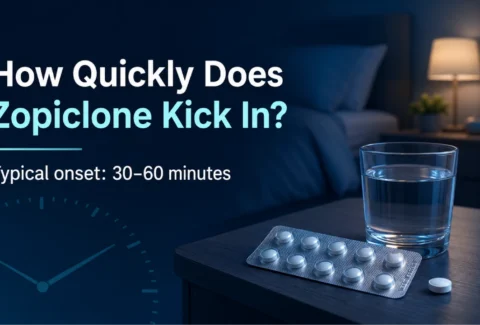
The medicine generally begins working within 30 to 60 minutes. You can learn more about its onset of action in our guide, How Quickly Does Zopiclone Kick In?
Although zopiclone may work effectively at first, the body can gradually become accustomed to its effects. This is called tolerance.
When tolerance develops, the normal prescribed dose may appear to work less effectively. However, this does not mean that taking an additional tablet or increasing the dose is safe.
Never increase your zopiclone dose without speaking to your doctor or pharmacist.
What Happens If You Take Zopiclone Every Night?
Taking zopiclone every night during a short, medically supervised course may be appropriate. Problems are more likely when nightly use continues beyond the recommended treatment period without a clinical review.
Zopiclone may become less effective
Repeated use can cause the body to become less responsive to the medicine. The same dose may no longer produce the effect it initially provided.
Taking more than your prescribed dose can cause:
- Excessive sleepiness
- Confusion
- Poor coordination
- Memory loss
- Breathing difficulties
- Loss of consciousness
Never take another tablet during the same night because the first dose appears not to be working.
Dependence may develop
Physical dependence means that the body has adapted to the presence of the medicine. It can occur even when a patient initially takes zopiclone according to medical instructions.
Dependence is not necessarily the same as addiction. Addiction may involve cravings, difficulty controlling use and continuing to take the medicine despite harmful consequences.
Both situations should be discussed with a healthcare professional without embarrassment or fear of judgement.
Sleep may temporarily become worse without it
People who take zopiclone regularly may experience rebound insomnia when they reduce or stop treatment.
Rebound insomnia means that sleep temporarily becomes more difficult than it was before the medicine was started. This can make someone believe they are permanently unable to sleep without zopiclone, although the worsening may be part of withdrawal.
Next-day alertness may be affected
Some people feel sleepy, dizzy or mentally slowed the morning after taking zopiclone.
Common side effects can include:
- A bitter or metallic taste
- Dry mouth
- Tiredness
- Dizziness
- Reduced concentration
- Feeling dazed the following morning
Do not drive, cycle, use machinery or perform hazardous work when you feel sleepy or impaired.
Can You Become Dependent on Zopiclone?
Yes. Regular zopiclone use can lead to physical dependence, while some people may also develop an addiction.
The risk may be greater when someone:
- Uses zopiclone for longer than prescribed
- Takes a higher dose than prescribed
- Combines it with alcohol
- Uses it with opioids or other sedating medicines
- Has a previous history of alcohol or drug dependence
- Uses the medicine for reasons other than prescribed insomnia
- Obtains tablets without an appropriate clinical assessment
Using zopiclone with alcohol, opioids or other central nervous system depressants can cause dangerous sedation and breathing problems.
Medication should never be shared with another person, even when that person is experiencing similar sleep difficulties.
How Long Can You Take Zopiclone?
There is no single treatment period suitable for every patient. However, zopiclone is normally prescribed for only a brief period.
A typical course may last:
- A few days for temporary sleep disruption
- Two to three weeks for short-term insomnia
- No more than four weeks in total, including gradual dose reduction, in most cases
Treatment may occasionally differ because of a patient’s individual health circumstances, but prolonged use requires regular medical review.
Do not continue using leftover tablets after your prescribed course has ended.
Does Zopiclone Build Up in Your Body?
Zopiclone is processed and removed from the body over time. However, its effects may last longer in older adults and in people with liver problems or other health conditions that affect medicine clearance.
Taking it frequently or at a higher dose can also increase next-day impairment.
Our related guide explains how long zopiclone stays in your system, including the factors that may influence how quickly the body processes it.
Knowing how long a medicine remains in the body should not be used to decide when to take another dose. Always follow the instructions given by your prescriber.
Should You Stop Taking Zopiclone Suddenly?
Do not suddenly stop regular or prolonged zopiclone use without medical advice.
Stopping abruptly may cause withdrawal symptoms such as:
- Rebound insomnia
- Anxiety
- Restlessness
- Irritability
- Sweating
- Shaking
- Mood changes
- Difficulty concentrating
A doctor may recommend gradually reducing the dose. This process is known as tapering.
The correct reduction schedule depends on factors including:
- Your current dose
- How long you have taken the medicine
- Whether you use it every night
- Other medicines you take
- Your physical and mental health
- Any withdrawal symptoms you experience
Never use another person’s tapering schedule because dose reduction should be personalised.
Signs That Your Zopiclone Use Needs Reviewing
Arrange an appointment with your doctor, pharmacist or prescribing clinician when:
- You have taken zopiclone for more than a few weeks
- You feel unable to sleep without it
- Your prescribed dose no longer works as effectively
- You are considering increasing the dose
- You experience withdrawal symptoms between doses
- You feel confused or excessively sleepy during the day
- You have experienced falls, memory problems or unusual behaviour
- You combine zopiclone with alcohol or other sedatives
- Your insomnia continues after the original treatment period
Seek urgent medical assistance if someone has taken too much zopiclone or develops severe breathing difficulties, collapses, becomes extremely confused or cannot be awakened.
What Happens If You Take Zopiclone but Stay Awake?
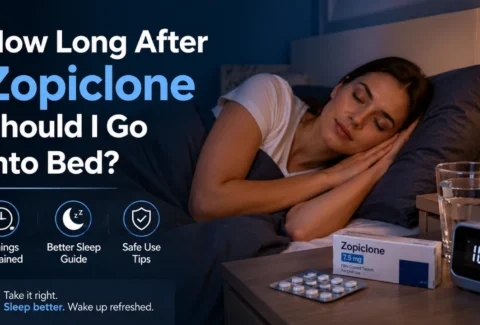
Zopiclone should normally be taken only when you are ready to go directly to bed.
Remaining awake after taking it can increase the risk of:
- Confusion
- Poor judgement
- Memory loss
- Unusual behaviour
- Falls and accidents
- Activities performed while not fully conscious
In rare cases, people may walk, prepare food, make telephone calls or even drive while not fully awake.
Read our detailed article about what happens if you take zopiclone and stay awake for further safety information.
Contact a healthcare professional promptly if you or someone close to you notices unusual night-time behaviour after taking zopiclone.
Is Zopiclone Suitable for Everyone?
Zopiclone may not be appropriate for people with certain medical conditions.
Tell your prescriber before taking it if you have:
- Sleep apnoea
- Serious breathing difficulties
- Myasthenia gravis
- Severe liver problems
- A history of alcohol or drug dependence
- Depression or another mental health condition
- A previous unusual reaction to a sleeping medicine
- Pregnancy or suspected pregnancy
- Breastfeeding
Zopiclone is not a treatment for sleep apnoea. Because it is a sedating medicine, people with breathing-related sleep disorders require individual medical assessment.
Can You Drink Alcohol While Taking Zopiclone?
No. Alcohol should be avoided while taking zopiclone.
Combining alcohol with zopiclone can cause:
- Extremely deep sleep
- Severe confusion
- Poor coordination
- Memory loss
- Difficulty waking
- Slowed or impaired breathing
The risk may be even higher when opioids, anxiety medicines, sedating antihistamines or other sleeping tablets are also involved.
Ask a pharmacist or doctor before combining zopiclone with any prescription medicine, over-the-counter product or supplement that causes drowsiness.
What Can Be Used Instead for Long-Term Insomnia?
Persistent insomnia should be properly assessed rather than managed indefinitely with sleeping tablets.
A doctor may investigate potential causes such as:
- Stress or anxiety
- Depression
- Chronic pain
- Sleep apnoea
- Restless legs syndrome
- Menopause symptoms
- Thyroid disorders
- Shift work
- Alcohol or caffeine consumption
- Side effects from another medicine
Cognitive behavioural therapy for insomnia, commonly called CBT-I, is frequently recommended for persistent insomnia. It aims to change the behaviours, routines and thoughts that maintain sleep problems.
A long-term sleep plan may also include:
- Waking at the same time every day
- Limiting daytime naps
- Reducing caffeine later in the day
- Avoiding alcohol near bedtime
- Getting regular daylight exposure
- Taking part in appropriate physical activity
- Keeping the bedroom dark, quiet and comfortable
- Reducing bright-screen use before bed
- Leaving the bed temporarily when unable to sleep
More general sleep-related information is available in our collection of insomnia and sleeping-tablet guides.
Can You Obtain Zopiclone Online Safely?
Zopiclone is a prescription-only medicine and a Class C controlled drug in the UK. It should only be supplied following a valid prescription and an appropriate medical assessment.
People considering an online pharmacy should verify that:
- The pharmacy is registered with the relevant UK regulator
- A qualified prescriber reviews their health and medication history
- A valid prescription is required
- The pharmacy provides verifiable registration details
- The service does not encourage excessive doses or prolonged use
- Appropriate medicine information and safety warnings are supplied
Avoid websites that offer prescription medicines without proper medical checks or claim that zopiclone is completely safe or free from dependence risks.
Read more about the risks of buying zopiclone without a prescription before using any online medicine service.
Frequently Asked Questions
Is it safe to take zopiclone every night for one week?
A one-week nightly course may be appropriate when it has been prescribed by a doctor. Take only the prescribed amount and do not extend the course without medical advice.
Can I take zopiclone every night for one month?
A complete zopiclone course should normally not exceed four weeks, including any gradual reduction period. Treatment should be reviewed before it is continued.
Can zopiclone be taken permanently?
Zopiclone is not generally intended as a permanent treatment for insomnia. Continuous long-term use raises concerns about tolerance, dependence, withdrawal and next-day impairment.
What should I do when zopiclone stops working?
Do not increase the dose. Contact the clinician who prescribed the medicine. Reduced effectiveness may indicate tolerance or an unresolved cause of insomnia.
Can I take another tablet if I wake during the night?
Do not take another zopiclone dose during the same night. Taking an additional tablet increases the risk of excessive sedation, memory loss, falls and breathing difficulties.
Can I drink alcohol while taking zopiclone?
No. Alcohol can dangerously intensify the sedative effects of zopiclone and may cause breathing problems or make it difficult to wake.
Is it dangerous to stop zopiclone suddenly?
Suddenly stopping after regular or prolonged use may cause withdrawal symptoms and rebound insomnia. Ask a healthcare professional for a personalised dose-reduction plan.
Can zopiclone cause sleepwalking?
Yes. Sleepwalking and other activities performed while not fully awake are recognised serious side effects. Stop taking it and seek medical advice promptly if this occurs.
Final Verdict: Is Zopiclone OK to Take Every Night?
Zopiclone may be taken every night during a short, medically supervised treatment course, but it is not normally recommended for continuous long-term use.
For most people, treatment should last only a few days or weeks and should not extend beyond four weeks without a specific clinical review. Longer use can increase the risk of tolerance, physical dependence, withdrawal symptoms and next-day impairment.
People who already take zopiclone every night should not panic or suddenly stop treatment. Speak to a GP, pharmacist or prescribing clinician about the underlying cause of the insomnia and, when appropriate, a safe gradual reduction plan.
For additional educational resources, visit the Buy Zopiclone Online UK blog.
Medical disclaimer: This article provides general educational information and does not replace personalised advice, diagnosis or treatment from a doctor, pharmacist or other qualified healthcare professional.